
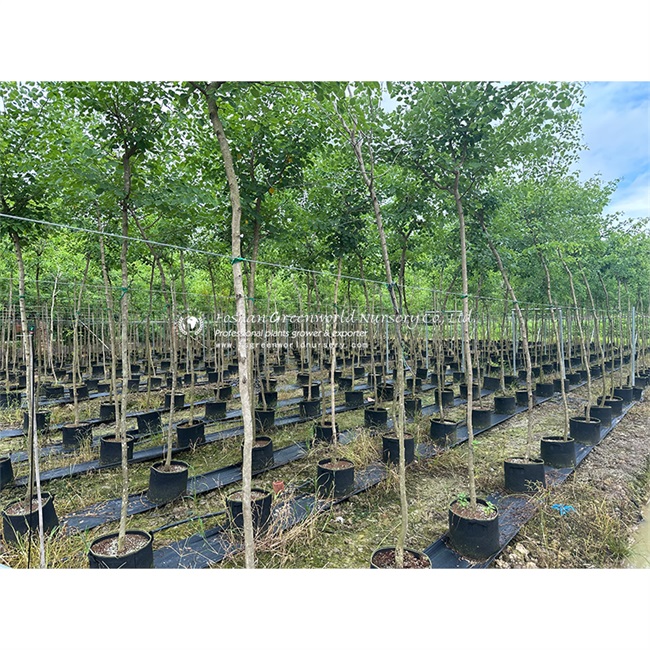
In recent years, urban landscaping and environmental sustainability have become central focuses across cities worldwide. The integration of various plant species into urban areas plays a crucial role in enhancing air quality, providing shade, supporting biodiversity, and contributing to the aesthetic beauty of cityscapes. Among the numerous plant varieties gaining attention, species such as Lagerstroemia indica, Delonix regia, Hibiscus tiliaceus, Pongamia pinnata, Albizia saman, and many others are proving to be invaluable assets in modern urban planning and horticulture.
### The Importance of Urban Tree and Plant Diversity
Urban environments often suffer from pollution, heat island effects, and a lack of natural greenery. The introduction of diverse plant species helps mitigate these problems by filtering air pollutants, reducing surface temperatures, and fostering habitats for urban wildlife. Tree species such as *Ficus nitida*, *Peltophorum*, and *Ginkgo biloba* are notably resilient, adapting well to urban conditions while offering significant environmental benefits.
Moreover, trees and plants contribute to the psychological well-being of city residents. Green spaces are vital in providing areas for relaxation, recreation, and social interaction. They enhance the quality of life and encourage healthier lifestyles. An increased focus on planting species suited for specific local climates ensures sustainability and longevity of these green spaces.
### A Catalogue of Versatile Plant Species for Urban Landscapes
The recent expansion in urban greenery projects highlights a vast array of plant choices suited for different purposes, from ornamental additions to shade providers. Below are some essential plant species currently favored for urban planting initiatives:
- **Lagerstroemia indica (Crape Myrtle):** Known for its vibrant blossoms during summer and attractive bark, this plant is highly valued for adding color and texture to parks and streetscapes.
- **Delonix regia (Flame Tree):** Famous for its fiery red flowers and expansive canopy, it serves as an excellent shade tree in tropical and subtropical cities.
- **Hibiscus tiliaceus (Sea Hibiscus):** Its tolerance for coastal conditions makes it ideal for coastal urban areas, providing both ornamental beauty and erosion control.
- **Pongamia pinnata:** This hardy tree is often used in urban afforestation due to its drought resistance and nitrogen-fixing abilities, which improve soil fertility.
- **Albizia saman (Rain Tree):** With its wide-spreading canopy, it offers good shade and is commonly planted in parks and along roadways.
- **Millingtonia hortensis (Indian Cork Tree):** Featuring fragrant white flowers, this tree adds a sensory dimension to urban gardens and streets.
- **Ficus nitida:** This species is noted for its dense foliage and adaptability, often used for bonsai as well as large canopy trees.
- **Peltophorum:** Known for bright yellow blossoms, often planted along avenues for its decorative appeal.
- **Ginkgo biloba:** Valued for its unique fan-shaped leaves and historical significance, it remains a popular tree in urban landscaping.
- **Magnolia grandiflora:** This evergreen species with large, fragrant flowers enhances aesthetic appeal year-round.
- **Photinia serrulata:** Frequently used as hedges or screens, this species brings vibrant red foliage and flowers.
- **Cinnamomum camphora (Camphor Tree):** A sturdy tree valued for its fragrant leaves and robust growth.
- **Prunus yedoensis (Yoshino Cherry):** Renowned for spring blossoms, it creates spectacular floral displays in parks.
- **Trachycarpus fortunei (Windmill Palm):** This palm is a tropical icon in urban green spaces.
- **Tecoma stans:** Known for trumpet-shaped yellow flowers, ideal for ornamental borders.
- **Wodyetia bifurcata (Foxtail Palm):** A visually appealing palm, adding a tropical feel.
- **Sea Grape Plant:** Its broad leaves and grape-like fruit clusters are typical in coastal urban parks.
- **Ficus religiosa (Sacred Fig Tree):** Revered culturally and spiritually, this species also offers ecological and aesthetic functions.
- **Ficus racemosa:** Often found near water bodies, it integrates well into urban parklands and wetlands.
- **Bonsai Sacred Fig Tree:** Miniature versions of the sacred fig, popular for indoor decor and meditation spaces.
### Applications and Benefits in Contemporary Urban Settings
The utilization of this diverse collection of plants supports multifunctional urban green spaces tailored to ecological and social needs. For instance, streets lined with *Delonix regia* not only offer shade but serve as visual landmarks with their striking blooms. Parks nourished with *Albizia saman* and *Pongamia pinnata* provide respite from urban heat waves, while flowering shrubs like *Tecoma stans* enhance biodiversity by attracting pollinators such as bees and hummingbirds.
In coastal cities, species like *Hibiscus tiliaceus* and the Sea Grape Plant contribute to shoreline stabilization and prevent erosion, protecting communities from storm surges and sea-level rise. Additionally, smaller species and bonsai forms can be cultivated in urban apartments and offices, bringing nature in confined urban settings and improving indoor air quality.
These plants also play an educational role by showcasing native and adaptive species, encouraging public awareness and participation in sustainable urban environmental practices. This is particularly important as cities strive to meet global sustainability targets and promote green infrastructure.
### Challenges and Future Directions
While the benefits of diverse urban planting are immense, challenges persist. Ensuring the right selection of species to match local climate and soil conditions is crucial to avoid introducing invasive species or those requiring excessive maintenance. Further research and collaboration among botanists, urban planners, and community stakeholders are needed to refine planting strategies.
Innovative technologies and data-driven approaches are emerging to monitor urban tree health, optimize irrigation, and promote biodiversity hotspots. The integration of such measures with ongoing planting efforts promises greener, more resilient cities in the coming decades.
### Conclusion
The ongoing commitment to enriching urban green spaces with a broad array of plant species—from flowering trees like *Lagerstroemia indica* to robust palms like *Trachycarpus fortunei*—signals a positive trend towards sustainable and livable cities. These plants not only enhance the environment but also enrich the social fabric and cultural identity of urban communities. As urban centers continue to grow, investing in diverse and adaptive plant selections will be pivotal in shaping healthy, vibrant, and beautiful cities for future generations.