
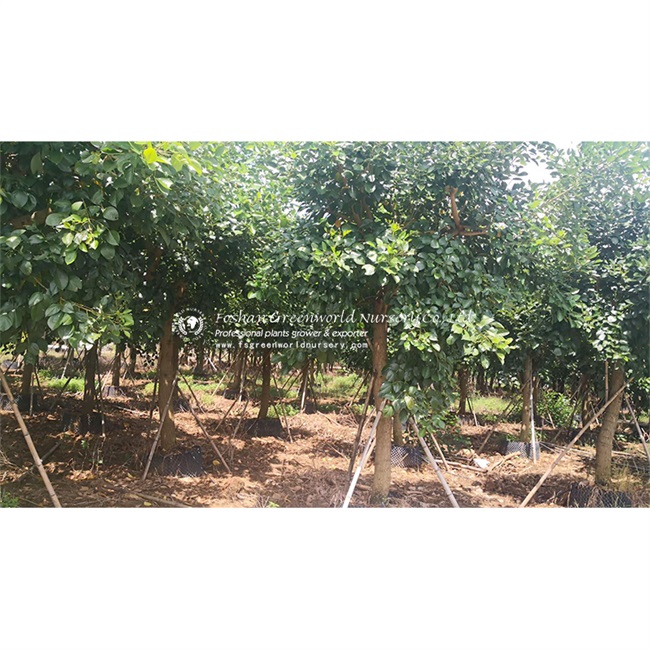
In the realm of horticulture and botanical artistry, the Ficus Religiosa bonsai, also known as the Sacred Fig tree, holds a revered place for its spiritual significance and captivating aesthetic. This miniature marvel is not just a plant; it is a symbol of peace, enlightenment, and timeless wisdom, cherished in many cultures around the world. Alongside an impressive variety of other magnificent trees such as Lagerstroemia Indica, Delonix Regia, and Magnolia Grandiflora, the Ficus Religiosa bonsai continues to enchant gardening enthusiasts and nature lovers alike.
### The Symbolism and History of Ficus Religiosa
Ficus Religiosa, commonly referred to as the Sacred Fig, has been deeply embedded in spiritual traditions, especially in South Asia. It is famously known as the tree under which Siddhartha Gautama, the Buddha, attained enlightenment nearly 2,500 years ago. This venerable heritage makes the Ficus Religiosa bonsai a meaningful presence in homes, gardens, and sacred spaces, symbolizing wisdom and spiritual growth.
In its bonsai form, the Ficus Religiosa embodies a perfect harmony between nature and nurture. The art of bonsai involves meticulous pruning, wiring, and care, creating a living sculpture that reflects centuries of botanical traditions. This miniature tree invites caretakers to engage in mindful gardening practices, fostering patience and respect for nature.
### A Diverse Collection of Majestic Trees
Alongside the Ficus Religiosa bonsai, there exists a fascinating variety of trees, each with unique characteristics and cultural significance:
- **Lagerstroemia Indica (Crape Myrtle):** Known for its vibrant summer blooms and peeling bark, Lagerstroemia Indica brings a splash of color to any landscape. Its striking flowers and textured bark make it a favored ornamental tree.
- **Delonix Regia (Royal Poinciana):** Recognized for its flamboyant red-orange flower clusters, the Royal Poinciana is a bold statement tree often planted as a shade provider in tropical regions.
- **Hibiscus Tiliaceus and Hibiscus Tiliaceus Rubra:** These trees are admired for their large saxophone-shaped flowers which attract a variety of pollinators, enriching the biodiversity of their environment.
- **Pongamia Pinnata:** Also known as the Indian Beech, this tree is valued for its nitrogen-fixing properties and potential as a biofuel source.
- **Albizia Saman:** Known as the Rain Tree, Albizia Saman offers expansive shade and beautiful umbrella-shaped canopies, making it a popular choice for parks and avenues.
- **Millingtonia Hortensis:** Nicknamed the Indian Cork Tree or Night-flowering Jasmine, this tree produces fragrant white blossoms that illuminate the night air with their soothing scent.
- **Ficus Nitida:** A robust and visually striking fig species, Ficus Nitida is often utilized for urban landscaping due to its extensive canopy and resilience.
- **Peltophorum:** With its bright yellow flowers, Peltophorum adds sunshine to the landscape and supports a variety of bird species.
- **Ginkgo Biloba:** Renowned as a living fossil, Ginkgo Biloba captivates botanists and tree lovers with its fan-shaped leaves and ancient lineage stretching back over 200 million years.
- **Magnolia Grandiflora:** This Southern Magnolia is treasured for its enormous and fragrant white blossoms, as well as glossy, evergreen leaves.
- **Photinia Serrulata:** Popular for hedging and privacy screens, Photinia Serrulata also produces vibrant red new growth that adds seasonal interest.
- **Cinnamomum Camphora:** The Camphor tree, with its aromatic wood and evergreen leaves, is simultaneously admired for its medicinal properties and shade.
- **Prunus Yedoensis (Yoshino Cherry):** Famous for its breathtaking springtime cherry blossoms, this tree is deeply celebrated in Japan and worldwide.
- **Trachycarpus Fortunei:** Known as the Windmill Palm, Trachycarpus Fortunei introduces a tropical flair to cooler climates.
- **Tecoma Stans:** The Yellow Bells tree brightens gardens with trumpet-shaped, sunny yellow flowers that attract hummingbirds.
- **Wodyetia Bifurcata:** Also termed the Foxtail Palm, Wodyetia Bifurcata is favored for its soft, bushy fronds resembling a fox's tail.
- **Sea Grape Plant:** Often found along coastal areas, the Sea Grape offers dense foliage and edible fruit, serving as an important ecological species for shorelines.
- **Ficus Racemosa:** Related to the Ficus Religiosa, Ficus Racemosa offers both ornamental and medicinal value, highlighting the diversity found within the fig family.
### Nurturing Sustainable Green Spaces
The cultivation of these diverse species, including the delicate yet resilient Ficus Religiosa bonsai, demonstrates a commitment to preserving green spaces amid urbanization. Trees like these not only enhance the beauty of environments but also play critical roles in air purification, shade provision, and supporting wildlife habitats.
Adopting a variety of trees contributes to biodiversity, enabling ecosystems to flourish and adapt to changing climates. Moreover, integrating such species in urban landscaping brings inhabitants closer to nature, promoting mental well-being and environmental awareness.
### Conclusion
From the spiritually rich Ficus Religiosa bonsai to the dazzling blooms of Lagerstroemia Indica and the ancient Ginkgo Biloba, the remarkable diversity of tree species offers a treasure trove for garden enthusiasts, conservationists, and cultural custodians alike. Their unique forms, vibrant flowers, and ecological benefits remind us of the critical role trees play in the balance of life.
Embracing these botanical gems with care and respect ensures that future generations can continue to enjoy the serenity and inspiration these majestic trees provide. Whether you are an experienced horticulturist or a casual plant lover, the enduring allure of the Ficus Religiosa bonsai and its majestic companions promises a profound connection to nature's timeless beauty.