
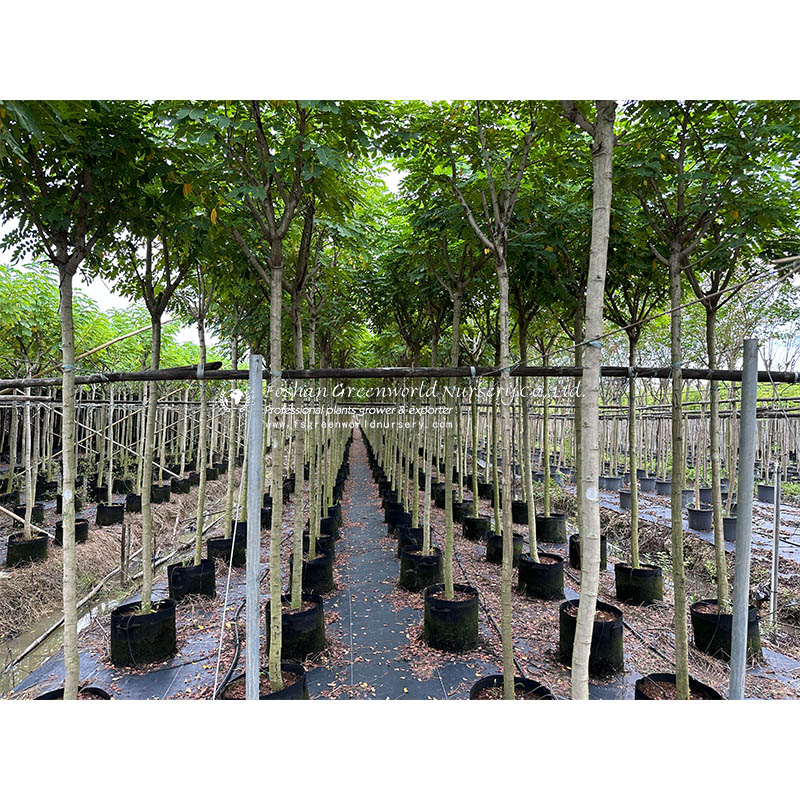
As urban environments continue to expand, the importance of incorporating diverse and resilient tree species into cityscapes has never been greater. Trees not only enhance the visual appeal of urban areas but also play a vital role in improving air quality, providing shade, reducing heat islands, and supporting urban biodiversity. Recently, attention has been drawn to a variety of tree species that are becoming popular choices for landscaping projects across cities worldwide.
One notable trend is the growing preference for a mixture of flowering trees, shade providers, and native species that can thrive in various climatic conditions. This movement emphasizes sustainable landscaping that contributes to ecological balance while beautifying public and private spaces.
Among the favored trees embraced by landscapers and urban planners are the **Lagerstroemia Indica**, commonly known as crepe myrtle, celebrated for its vibrant flowers and extended blooming season. The **Lagerstroemia Indica Vase**, a specific vase-shaped variety, is particularly valued for its elegant form and adaptability, making it ideal for parks, streets, and residential gardens.
In warmer climates, the **Delonix Regia**, or flame tree, stands out with its fiery red blossoms and broad canopy that provides ample shade. Its striking appearance makes it a signature feature in many tropical and subtropical urban designs, creating focal points in city parks and along boulevards.
**Hibiscus Tiliaceus Rubra** and the closely related **Hibiscus Tiliaceus** have also gained popularity. Both species are appreciated for their large, attractive flowers and fast growth rate, making them suitable for quick landscape enhancement. Their tolerance to coastal environments makes them excellent choices for seaside promenades and areas exposed to saline winds.
In the realm of native tree species, **Pongamia Pinnata**, known for its robustness and environmental benefits, is increasingly incorporated into green initiatives. This species is drought-resistant, nitrogen-fixing, and supports soil health, making it a sustainable option for urban forestry projects aimed at improving greenery in challenging environments.
Other noteworthy species include **Albizia Saman** (rain tree), noted for its expansive umbrella-shaped canopy, which offers extensive shade, making it a natural cooling agent in hot urban areas. The fragrant **Millingtonia Hortensis**, often called the Indian cork tree, is valued for its delicate white flowers and aromatic scent, enhancing sensory experiences in landscaped areas.
Among the larger shade trees popular with urban planners is **Ficus Nitida**, a species of fig tree recognized for its dense foliage and wide canopy. Its impressive size and longevity make it a landmark tree in many city parks and avenues. Similarly, the **Peltophorum** species, with their golden yellow flowers, inject vibrant color into urban settings during blooming seasons.
Interestingly, some ancient and culturally significant trees are being planted more widely to enrich the historical and spiritual texture of cities. The **Ginkgo Biloba**, often referred to as a living fossil, is favored for its unique fan-shaped leaves and striking autumn colors. Its resilience to pollution also makes it suitable for urban environments.
The **Magnolia Grandiflora**, with its large, fragrant white flowers and glossy leaves, remains a quintessential decorative tree in city gardens, known for its stately appearance and evergreen foliage.
For urban spaces seeking color and seasonal interest, **Photinia Serrulata** provides glossy red leaves, contrasting beautifully against other greenery. Its dense growth habit makes it an excellent hedge or screening plant.
Urban foresters are also tapping into aromatic species such as **Cinnamomum Camphora**, or camphor tree, valued for its shade, attractive bark, and fragrant leaves, which contribute to sensory landscape experiences.
The flowering cherry tree, specifically **Prunus Yedoensis** (Yoshino cherry), is another favorite, especially in temperate climates, where its spectacular spring blooms attract visitors and promote community pride during the annual cherry blossom festivals.
In hot and tropical urban areas, **Trachycarpus Fortunei**, a cold-hardy palm, adds an exotic element to streetscapes and gardens. This palm species is favored for its striking fan-shaped leaves and tolerance to colder temperatures compared to other palms.
The vibrant yellow blooms of **Tecoma Stans** (yellow bells) brighten urban spaces and attract pollinators, supporting urban biodiversity in flower beds and shrub borders.
**Wodyetia Bifurcata**, also known as the foxtail palm, has emerged as a popular ornamental palm owing to its dense, bushy fronds and symmetrical growth habit, making it suitable for tropical-themed gardens.
In coastal regions, **Sea Grape Plant** acts as a natural windbreak and stabilizes sandy soils, making it essential for protecting beachside urban developments.
Among culturally significant and bonsai-friendly species, **Ficus Religiosa** (sacred fig tree) and **Ficus Racemosa** are cherished for their spiritual symbolism and intricate canopy forms. These trees are often featured in temple gardens, parks, and urban green spaces alike.
The dynamic mix of these species — from flowering to shade-providing, and from native to exotic — is revitalizing urban landscapes. This diversity ensures urban environments can withstand changing climate conditions while providing aesthetic and ecological benefits.
Urban planners and environmentalists emphasize that the thoughtful selection of tree species is crucial to maintaining the health of city ecosystems. Species such as the King Sago Palm, once a trendy choice, are being reconsidered due to their limited adaptability and potential maintenance challenges. Instead, the focus has shifted towards planting a wider variety of trees that offer both beauty and environmental resilience.
This inclusive approach to urban forestry not only transforms concrete jungles into green havens but also fosters community well-being, supports wildlife, and promotes sustainable urban living.
As cities worldwide continue to embrace green infrastructure, the integration of these diverse tree species represents a hopeful step towards greener, healthier, and more vibrant urban environments for generations to come.