
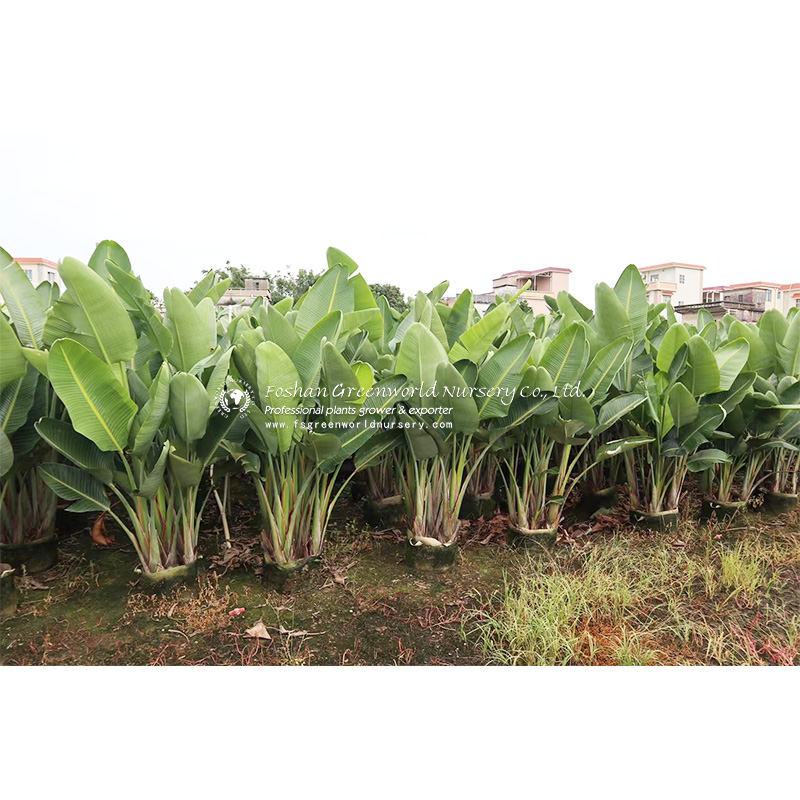
In the ever-evolving sphere of horticulture and landscape design, a broad palette of plants offers a unique blend of aesthetic appeal, ecological benefits, and cultural significance. Among these, the Little Gem Magnolia stands out as a compact, elegant specimen cherished for its glossy foliage and fragrant white blooms. Complementing this beauty is an extensive array of landscape and ornamental plants, including species like Lagerstroemia Indica, Delonix Regia, Hibiscus variants, and many others, each bringing distinct characteristics to gardens, parks, and urban green spaces.
### The Charm of the Little Gem Magnolia
The Little Gem Magnolia is a versatile evergreen tree, well-loved for its adaptability to various climates and impressive year-round presence. Compared to traditional magnolias, the Little Gem features a smaller, more manageable size—ideal for residential gardens or container planting. Its dark green leaves are thick and glossy, providing a lush backdrop to the magnolia’s iconic creamy white flowers that emit a subtle, pleasing fragrance. This plant offers gardeners an elegant yet low-maintenance option that enhances property value and contributes to local biodiversity.
### A Glimpse into an Extensive Inventory of Ornamental Plants
Beyond the magnolia, a diverse assortment of trees and shrubs are commonly used throughout the landscapes of parks, urban developments, and private grounds. Each species lends itself to specific design needs and environmental conditions:
**1. Lagerstroemia Indica (Crape Myrtle):** Known for its striking summer flowers, crape myrtle adds vibrant bursts of pink, purple, or white blossoms while maintaining brilliant autumn foliage. Its tolerance for heat and drought makes it a popular choice in temperate and subtropical climates.
**2. Delonix Regia (Flamboyant Tree):** This tropical tree is celebrated for its wide canopy and spectacular scarlet flowers. Occasionally called the flame tree, it’s a favorite in warm regions where it provides ample shade and vivid color.
**3. Hibiscus Tiliaceus and Hibiscus Tiliaceus Rubra:** Both species thrive in coastal and tropical landscapes, offering large, attractive flowers that range from yellow to deep red. These plants are often used in seaside resort landscaping or to restore natural coastal ecosystems.
**4. Pongamia Pinnata:** Also known as the Indian beech, this tree has ecological importance for its nitrogen-fixing ability and provides raw material for biofuel. Its sturdy structure and fragrant white flowers make it a multipurpose species for sustainability-focused plantations.
**5. Albizia Saman (Rain Tree):** Known for its expansive canopy, the rain tree offers excellent shade and habitat for many bird species. Its feathery leaves also contribute to the decorative quality of tropical and subtropical parks.
**6. Millingtonia Hortensis (Indian Cork Tree):** Valued for fragrant night-blooming white flowers, this fast-growing tree is regularly planted along streets and avenues to enhance shade and perfume urban environments.
**7. Ficus Nitida and Ficus Religiosa (Sacred Fig):** Both Ficus species have significant cultural and ecological roles. Ficus Nitida’s dense foliage provides excellent shade and urban cooling, whereas Ficus Religiosa is revered in many cultures and supports diverse wildlife within its vast canopy.
**8. Peltophorum:** Often called the yellow flame tree, Peltophorum produces bright yellow flowers that flush landscapes with warm color, supporting pollinators and attracting visual interest in urban greenery.
**9. Ginkgo Biloba:** As a living fossil, the Ginkgo Biloba tree is not only prized for its distinctive fan-shaped leaves and golden autumn color but also for its resilience in polluted urban environments, making it a valuable component of city greening initiatives.
**10. Magnolia Grandiflora:** A close relative to the Little Gem Magnolia, this species is a majestic southern US native known for large, fragrant white flowers and glossy evergreen leaves, often used in grand landscapes.
**11. Photinia Serrulata:** This evergreen shrub is popular for its vivid red young leaves, which add seasonal texture and color variety to garden borders and hedges.
**12. Cinnamomum Camphora (Camphor Tree):** Famous for its aromatic foliage and medicinal camphor oil, this tree also serves as a stable urban shade tree due to its broad canopy.
**13. Prunus Yedoensis (Yoshino Cherry):** Celebrated for its stunning spring cherry blossoms, this ornamental tree is a favorite in temperate regions for both public parks and private gardens.
**14. Trachycarpus Fortunei (Windmill Palm):** This palm species is commonly used to introduce tropical flair to otherwise temperate landscapes thanks to its cold tolerance.
**15. Tecoma Stans:** Also known as yellow bells, this shrub’s bright yellow trumpet-shaped flowers provide cheerful colors and attract pollinators such as bees and hummingbirds.
**16. Wodyetia Bifurcata (Foxtail Palm):** An elegant palm native to Australia, it is favored for its bushy, feathery fronds and smooth trunk, making it a distinctive statement tree for tropical and subtropical gardens.
**17. Sea Grape Plant:** With broad, leathery leaves and grape-like clusters of fruit, this plant is favored in coastal landscaping for erosion control and ornamental interest.
**18. Ficus Racemosa:** Known for producing fig clusters along its branches, this tree has both cultural and ecological importance, particularly in tropical zones.
### Integrating Plant Diversity in Sustainable Landscaping
Landscaping professionals and botanists emphasize that incorporating a diverse range of species like those listed above—including the Little Gem Magnolia—can improve ecosystem resilience, enhance aesthetic appeal, and create multifunctional green spaces. These plants collectively help in air purification, carbon sequestration, habitat provision, and even noise reduction in urban areas.
### Conclusion
The Little Gem Magnolia is just one jewel in a crown of diverse and beautiful plants that enrich environments and improve quality of life. Whether for shade, ornamental beauty, ecological benefits, or cultural symbolism, each species contributes uniquely to the tapestry of green spaces. As urbanization continues to expand, thoughtful integration of such plants will be vital to sustaining healthy, attractive, and functional landscapes around the world.