
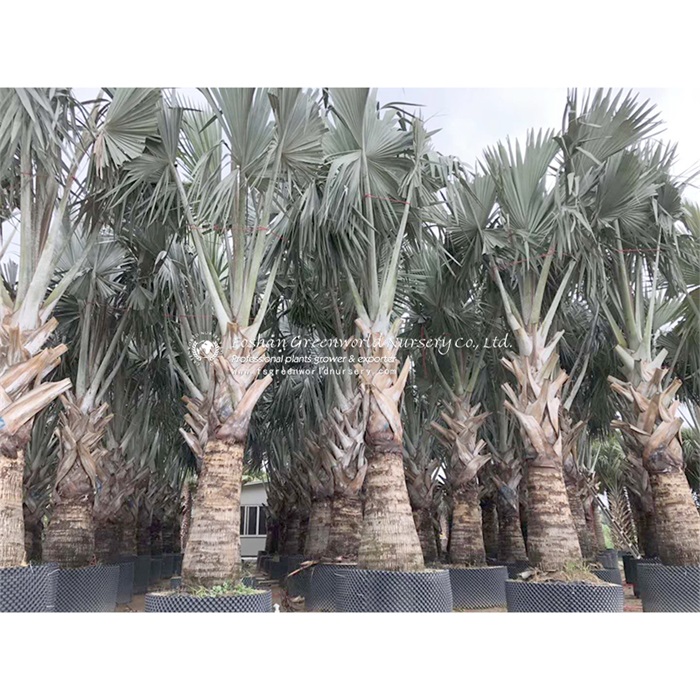
In an ongoing effort to enhance urban environments and promote sustainable cityscapes, urban forestry initiatives are increasingly turning to a diverse palette of tree species. From the vibrant hues of deciduous bloomers to the sturdy shade providers, the selection of tree species has become more strategic and ecologically focused. A range of species, including Lagerstroemia indica, Delonix regia, Hibiscus tiliaceus rubra, Pongamia pinnata, Albizia saman, Millingtonia hortensis, Ficus nitida, Peltophorum, Ginkgo biloba, Magnolia grandiflora, Photinia serrulata, Cinnamomum camphora, Prunus yedoensis, Trachycarpus fortunei, Tecoma stans, Wodyetia bifurcata, Sea grape plant, Ficus religiosa (bonsai sacred fig tree), and Ficus racemosa, are playing crucial roles in the greening projects.
**Diversity and Ecological Benefits**
Integrating a diverse array of tree species into urban landscapes offers multiple ecological and social benefits. Species like Lagerstroemia indica, commonly known as crape myrtle, are favored for their remarkable flowering capacity and adaptability to urban conditions. Their vibrant blooms add color and vitality to public spaces during the blooming seasons.
Delonix regia, or the flame tree, with its iconic fiery red flowers, provides extensive shade and aesthetic appeal, making it a beloved choice in tropical and subtropical urban areas. Similarly, Hibiscus tiliaceus rubra offers lush foliage and flowers, enhancing visual interest and supporting urban biodiversity by providing habitat for insects and birds.
The inclusion of native species such as Pongamia pinnata and Albizia saman supports local ecosystems by offering food and habitat for native wildlife and promoting soil health through nitrogen fixation in the case of Albizia saman. Millingtonia hortensis, often called the Indian cork tree, is appreciated for its fragrant white flowers and fast growth, making it an effective choice for rapid greening of urban areas.
**Promoting Urban Shade and Air Quality**
Many of the selected species are known for their ability to enhance urban microclimates by providing shade and improving air quality. Ficus nitida and Ficus racemosa, for example, are valued for their dense canopies and extensive root systems. While providing shade, they also play a role in filtering airborne pollutants and mitigating the urban heat island effect.
Peltophorum species contribute similarly, thriving in various urban conditions and offering bright yellow blooms that lift the urban spirits. Ginkgo biloba, a living fossil, stands out with its unique fan-shaped leaves and high tolerance to pollution, making it a resilient option for city planting even in industrial areas.
Magnolia grandiflora brings evergreen grandeur with its large, fragrant blossoms, contributing year-round interest and supporting pollinator species. Photinia serrulata brightens urban areas with its glossy red young leaves, adding seasonal color shifts to the green urban fabric.
**Cultural and Aesthetic Contributions**
Certain species carry cultural and symbolic significance, enriching urban cultural landscapes. Prunus yedoensis, or the Yoshino cherry tree, is renowned for its spectacular springtime blossoms, which are celebrated in festivals and cultural gatherings worldwide, fostering community engagement and tourism.
Tecoma stans, with its bright yellow trumpet-shaped flowers, introduces vibrant accents to parks and streetscapes, while Trachycarpus fortunei, a hardy palm species, adds a tropical flair suited for subtropical climates.
The use of Wodyetia bifurcata, known for its elegant palm fronds, highlights the integration of aesthetics and adaptation in species selection. The Sea grape plant is favored along coastal urban areas for its tolerance to salty winds and beautiful, rounded leaves, which provide shelter and food for urban fauna.
**Bonsai and Sacred Trees in Urban Spaces**
In select urban spaces, Ficus religiosa, or the sacred fig tree, is often cultivated as bonsai or in specialized public gardens. This species holds religious and cultural significance in various traditions, providing not only environmental benefits but also spiritual and educational value within the urban context.
**Sustainable Urban Forestry Practices**
The collective use of these species reflects a holistic approach to sustainable urban forestry. Selection criteria prioritize adaptability to urban stresses—such as pollution, limited rooting space, and drought—while also aiming to maximize ecological services including carbon sequestration, temperature regulation, and habitat provision.
Moreover, these species vary in growth form, flowering periods, and canopy structure, ensuring that urban green spaces remain vibrant throughout the year and cater to diverse urban needs. The presence of evergreen species like Magnolia grandiflora complements deciduous species like Prunus yedoensis, maintaining foliage and shade even in off-season months.
**Looking Ahead**
As urban populations continue to grow, the demand for green spaces that improve quality of life will intensify. The strategic planting of a wide range of species such as those mentioned is essential not only for beautification but also for building resilient urban ecosystems capable of withstanding climatic challenges.
Municipal planners, arborists, and community stakeholders are encouraged to adopt these diverse species palettes, enabling cities to flourish as green, livable, and ecologically robust environments. Continuing research and community engagement will be critical in refining species selection and maintenance practices tailored to specific urban contexts.
**Conclusion**
The integration of diverse tree species including Lagerstroemia indica, Delonix regia, Hibiscus tiliaceus rubra, Pongamia pinnata, Albizia saman, Millingtonia hortensis, Ficus nitida, Peltophorum, Ginkgo biloba, Magnolia grandiflora, Photinia serrulata, Cinnamomum camphora, Prunus yedoensis, Trachycarpus fortunei, Tecoma stans, Wodyetia bifurcata, Sea grape plant, Ficus religiosa, and Ficus racemosa is elevating the standards of urban forestry. Beyond their beauty, these species help urban areas combat climate challenges, improve air quality, and offer social and cultural benefits, thereby paving the way for greener, healthier cities of the future.