
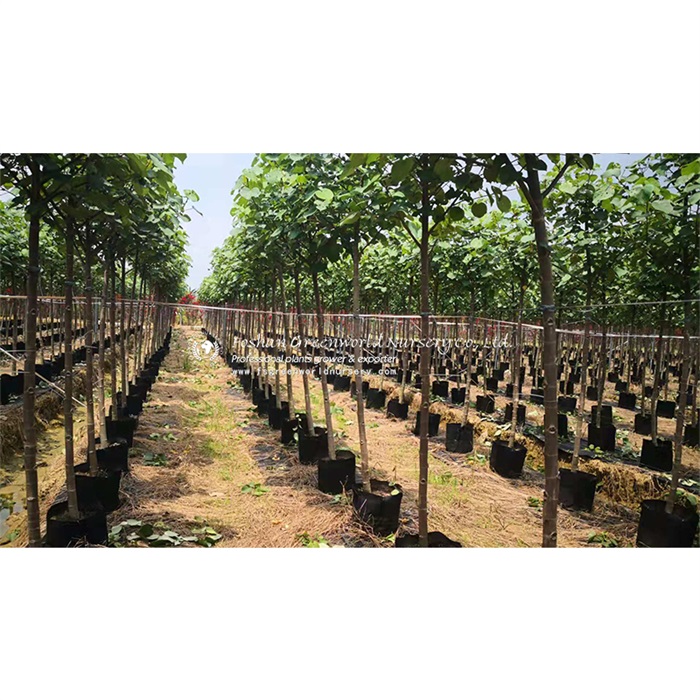
In recent years, there has been a growing emphasis on incorporating greenery into urban environments to improve air quality, provide shade, enhance aesthetics, and promote biodiversity. A notable development in this regard is the introduction of a wide variety of tree species that combine both ornamental beauty and environmental benefits, catering to diverse climatic conditions and urban settings.
The company behind this initiative offers an extensive catalog of trees well-suited for urban and suburban landscaping. These species provide a palette of colors, shapes, and fragrances, ensuring that city planners and residents alike can enjoy verdant, vibrant surroundings throughout the year.
**A Handsome and Hardy Selection**
Among the offerings is the Lagerstroemia Indica, commonly known as crape myrtle, famed for its long-lasting blooming period which brings cascades of pink, white, or purple flowers to the cityscape during summer months. Its compact size and adaptability to various soil types make it ideal for small parks, residential yards, and street-side plantings.
Another standout, the Delonix Regia, or royal poinciana, is appreciated for its flamboyant display of fiery red-orange blossoms and broad canopy offering ample shade. Originating from tropical climates, it thrives in warm urban areas and adds a tropical flair to the concrete jungle.
Hibiscus varieties such as Hibiscus Tiliaceus Rubra and Hibiscus Tiliaceus offer fast-growing growth habits and charming blossoms. These flowering trees work well as live fences or accent plants in community gardens, attracting pollinators vital for urban ecosystems.
**Sustainability and Shade**
Pongamia Pinnata, also known as karanj, contributes not just to aesthetic improvements but environmental sustainability. This leguminous tree is celebrated for its nitrogen-fixing properties, improving soil fertility naturally. Its hardy nature, tolerance to drought, and deep roots make it a resilient option for urban green belts.
The Albizia Saman, or rain tree, boasts a majestic umbrella-shaped crown resembling a natural pavilion, perfect for parks and playgrounds. Its ability to enrich soil and rapidly provide shade addresses multiple urban greening objectives.
Millingtonia Hortensis, with its fragrant white tubular flowers that bloom at night, brings a sensory dimension to urban spaces, enhancing the ambiance during the evening and attracting nocturnal pollinators.
**Diverse Foliage for Varying Urban Needs**
The Ficus Nitida (Indian laurel fig) and Ficus Religiosa (sacred fig tree) present robust, venerable trees with sprawling canopies and cultural significance. Their large presence is perfect for boulevard planting and large open spaces, providing cool retreats during hot months.
Peltophorum adds a vibrant touch with its yellow flowers that brighten streets and plazas, while Ginkgo Biloba, known for its unique fan-shaped leaves and resilience against pollution, offers both historical interest and practical benefits. As a living fossil, the Ginkgo adds a distinct aesthetic and serves as a symbol of endurance and longevity in urban settings.
Magnolia Grandiflora is another ornamental favorite, prized for its large, glossy leaves and fragrant white flowers. Their stately appearance suits both institutional grounds and residential gardens, lending an air of elegance and tranquility.
Photinia Serrulata, a member of the Rosaceae family, provides striking red-tinted young foliage that gradually matures to dark green, creating dynamic seasonal interest that lifts the urban palette.
**Evergreens and Tropical Flair**
Cinnamomum Camphora, the camphor tree, offers year-round greenery and a pleasant, soothing aroma. Its dense foliage and stately presence add depth and texture to city parks and greenways.
Prunus Yedoensis, commonly known as Yoshino cherry, is famed for its springtime explosion of delicate pink to white blossoms, drawing visitors and encouraging community engagement through seasonal festivals.
Trachycarpus Fortunei, a fan palm species, introduces an exotic silhouette suitable for tropical or subtropical urban designs, enhancing the diversity of shapes in the skyline.
Tecoma Stans, with its bright yellow trumpet-shaped flowers, is a sun-loving species that brightens median strips and urban gardens, requiring minimal maintenance.
**Specialty and Cultural Trees**
Wodyetia Bifurcata, or the foxtail palm, adds an element of tropical elegance with its feathery fronds and symmetrical form, perfect for accentuating entryways and promenades.
The Sea Grape Plant offers hardy coastal landscaping options, thriving in saline environments and stabilizing sandy soils, critical for urban areas near water bodies.
Ficus Racemosa, bearing fruit and offering cultural importance in several traditions, is also a versatile urban tree, contributing to ecological diversity and providing habitats for birds and insects.
Bonsai varieties derived from these species are increasingly popular for urban dwellers with limited space, allowing personal expression of greenery in balconies and indoor settings.
**Urban Greening: A Pathway to Healthier Cities**
Implementing such a diverse collection of trees enriches not just the visual appeal but also the environmental performance of urban spaces. Trees play a crucial role in reducing urban heat islands, filtering air pollutants, absorbing CO2, and enhancing mental well-being.
The company’s commitment to providing a wide array of tree species enables architects, landscapers, and municipalities to tailor greenery solutions suited to their unique climates, soil conditions, and community preferences. From small ornamental trees perfect for residential settings to large canopy trees that shade city parks, these species offer practical and ecological advantages.
As cities continue to grow and face challenges related to climate change and urbanization, incorporating resilient, attractive, and ecologically valuable trees is a key strategy for sustainable development. By selecting the right mix from this diverse catalog, urban areas can transform into green havens fostering healthier, happier communities.