
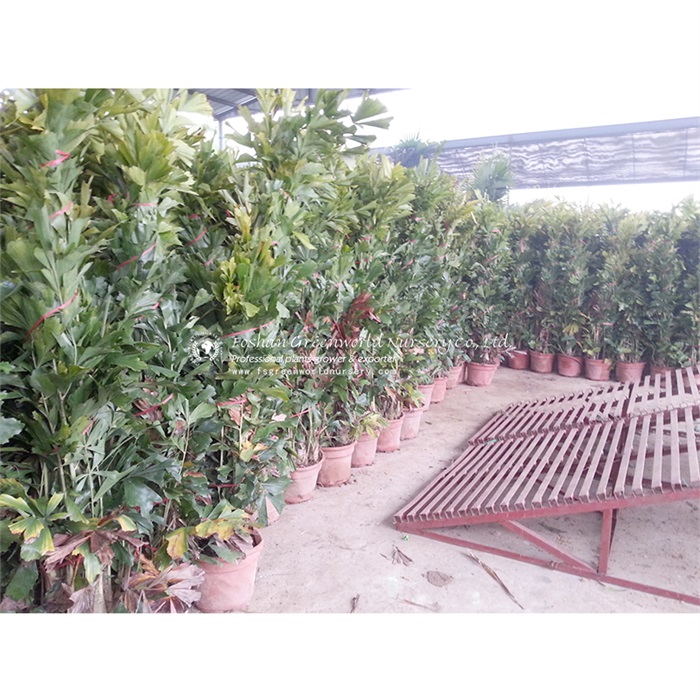
The Cassia Fistula tree, commonly known as the golden shower tree, is renowned for its stunning display of vibrant yellow flowers that cascade like golden showers during its blooming season. This tree not only enhances the aesthetic appeal of urban and rural landscapes but also holds ecological and cultural significance in many parts of the world.
### Botanical Description and Characteristics
Cassia Fistula is a fast-growing deciduous tree, which can reach heights of up to 10 to 20 meters. It belongs to the family Fabaceae and is native to the Indian subcontinent and adjacent regions of Southeast Asia. The tree is characterized by its long, pendulous racemes of bright yellow flowers, which typically bloom during late spring to early summer. Following the flowering phase, the tree produces cylindrical brown seed pods that contain multiple seeds.
One of the striking characteristics of the Cassia Fistula tree is its adaptability to various soil types and climates, making it a popular choice for reforestation projects, urban greening, and ornamental planting worldwide.
### Ecological and Environmental Benefits
The Cassia Fistula tree plays a vital role in maintaining ecological balance. Its flowers provide nectar for various pollinators, including bees, butterflies, and birds, contributing to the pollination of nearby plants and maintaining biodiversity. The shade provided by its lush foliage helps in cooling urban areas, reducing the urban heat island effect—a significant environmental concern in rapidly expanding cities.
In addition, the tree's ability to improve soil fertility through nitrogen fixation (a trait common to the Fabaceae family) makes it a valuable species in agroforestry systems. It enriches the soil, thereby supporting the growth of other plants and crops nearby.
### Cultural and Medicinal Significance
Beyond its ecological importance, the Cassia Fistula tree is deeply rooted in cultural and religious traditions. Known as the "Golden Shower," it is the national tree of Thailand and holds an esteemed position in various festivals and rituals across South Asia. The tree is often associated with prosperity, good luck, and renewal.
Medicinally, different parts of the Cassia Fistula tree have been used in traditional Ayurvedic medicine to treat ailments such as constipation, skin diseases, and inflammation. Modern phytochemical studies have also revealed the presence of antioxidant and antimicrobial compounds within the tree’s extracts, highlighting its potential for pharmaceutical applications.
### Integrating Cassia Fistula into Urban Green Spaces
With increasing urbanization, the need for sustainable and ecologically beneficial landscaping is paramount. Integrating the Cassia Fistula tree into urban green spaces alongside a diverse variety of other trees can significantly improve urban environmental quality. Trees such as Lagerstroemia Indica (crepe myrtle), Delonix Regia (flamboyant), Hibiscus Tiliaceus (sea hibiscus), Pongamia Pinnata, Albizia Saman (rain tree), Millingtonia Hortensis (Indian cork tree), and Ficus species like Ficus Nitida and Ficus Religiosa (sacred fig) can complement the Cassia Fistula both visually and functionally.
These species collectively contribute to a robust urban forest that supports biodiversity, provides shade, purifies air, and offers aesthetic variety. For example, the Lagerstroemia Indica is prized for its long flowering period and colorful blossoms, while the Delonix Regia is famed for its fiery red flowers and broad canopy. Ficus species are key players in many ecosystems due to their year-round fruiting, which feeds a multitude of wildlife species.
### The Importance of Biodiversity in Landscape Planning
When planning urban landscapes or reforestation projects, it is essential to promote biodiversity by including a wide array of tree species. Along with Cassia Fistula, incorporating species such as Magnolia Grandiflora, Photinia Serrulata, Cinnamomum Camphora (camphor tree), Prunus Yedoensis (Yoshino cherry), Trachycarpus Fortunei (windmill palm), Tecoma Stans (yellow bells), and Wodyetia Bifurcata (foxtail palm) creates resilient ecosystems capable of withstanding pests, diseases, and changing climate patterns.
Bonsai cultivars of Ficus Religiosa, well-known as the sacred fig tree, can also add cultural and artistic elements to garden designs. Moreover, species like Sea Grape Plant (Coccoloba uvifera) and Peltophorum enhance coastal and tropical landscapes, providing stabilization and habitat to various faunal species.
### Conclusion
The Cassia Fistula tree is much more than a visually pleasing element in landscaping; it is a vital species that enriches ecosystems, supports biodiversity, and preserves cultural heritage. Its integration alongside diverse tree species such as Lagerstroemia Indica, Delonix Regia, Hibiscus varieties, Ficus species, and others creates not only green sanctuaries that enhance urban life but also sustainable environments that can adapt to future ecological challenges.
Promoting the planting and conservation of the Cassia Fistula tree in conjunction with a diverse palette of complementary species is paramount for creating greener, healthier, and more resilient communities worldwide. Urban planners, environmentalists, and local governments must recognize the multifaceted benefits these trees provide and include them in their efforts to build a sustainable future.
---
*This comprehensive overview highlights the importance of the Cassia Fistula tree and its role alongside other significant tree species, underscoring the need for biodiversity and sustainability in modern landscape and urban development.*