
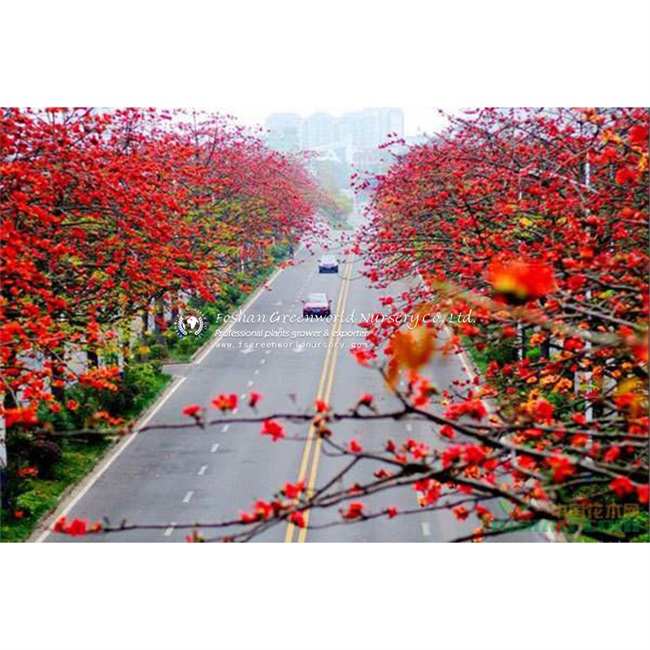
In today’s rapidly urbanizing world, the integration of greenery within cityscapes has become a priority for both environmental sustainability and the enhancement of residents’ quality of life. The thoughtful selection of plant species is central to achieving these goals, combining aesthetic appeal with ecological benefits. Among the diverse flora used in landscaping projects, a mix of native and exotic trees and shrubs such as Lagerstroemia indica, Delonix regia, Hibiscus tiliaceus (both rubra and standard varieties), Pongamia pinnata, Albizia saman, Millingtonia hortensis, Ficus nitida, Peltophorum, Ginkgo biloba, Magnolia grandiflora, Photinia serrulata, Cinnamomum camphora, Prunus yedoensis, Trachycarpus fortunei, Tecoma stans, Wodyetia bifurcata, Sea grape plant, Ficus religiosa (sacred fig tree), and Ficus racemosa have proven indispensable in urban landscaping.
### The Importance of Diverse Plant Species in Urban Landscaping
The diversity of tree and plant species in urban environments not only brings varied colors, textures, and shapes but also contributes significantly to ecosystem services such as air purification, temperature regulation, noise reduction, and habitat provision for urban wildlife. Through careful planning and species selection, urban spaces can transform into green lungs for the city, promoting ecological balance and human well-being.
### Highlighting Popular Landscaping Species
**Lagerstroemia indica**, commonly known as crape myrtle, is a favorite for its vibrant summer blooms and tolerant nature. Its adaptability to urban soils and resistance to drought conditions make it an excellent choice for city parks and street-side planting.
The flamboyant **Delonix regia** stands out with its fiery red flowers and spreading canopy, providing much-needed shade and a splash of color to open spaces. Its ability to thrive in tropical and subtropical climates makes it ideal for southern urban regions.
**Hibiscus tiliaceus** and its red variety, **Hibiscus tiliaceus rubra**, offer both beauty and functionality. Their broad leaves and dense foliage are effective in providing shade, and their flowers add ornamental interest.
**Pongamia pinnata**, a nitrogen-fixing tree, is valued for its role in improving soil fertility, while **Albizia saman**, commonly known as the rain tree, is cherished for its massive canopy providing extensive shade, making it a frequent component in parks and gardens.
The fragrant **Millingtonia hortensis**, often referred to as the Indian cork tree, along with **Ficus nitida** and **Ficus religiosa** (the sacred fig), are culturally significant and environmentally beneficial, playing key roles in air quality improvement and spiritual symbolism in many communities.
Other significant species like **Ginkgo biloba**, known for its unique fan-shaped leaves and resistance to pollution, and **Magnolia grandiflora**, admired for its large white flowers and evergreen foliage, add to the diversity and year-round greenery of the urban landscape.
**Photinia serrulata** is often used for hedges and screens, offering vibrant red foliage that contrasts beautifully with other greenery, while **Cinnamomum camphora**, the camphor tree, is well-regarded for its aromatic leaves and dense shade.
**Prunus yedoensis**, or the Yoshino cherry, brings seasonal charm with its iconic spring blossoms, attracting visitors and enhancing community spaces.
**Trachycarpus fortunei** is a cold-hardy palm that adds a tropical touch without the traditional climate constraints, offering a unique vertical accent in cityscapes.
**Tecoma stans** produces bright yellow trumpet-shaped flowers and is favored for its drought tolerance and biodiversity support, attracting pollinators such as bees and butterflies.
The exotic **Wodyetia bifurcata**, also known as the foxtail palm, provides an elegant silhouette often used in high-end landscaping.
Plants like the **Sea grape** thrive in coastal urban settings, offering salt tolerance and erosion control, while the **Ficus racemosa** is valued for its robust growth and cultural importance.
### Innovative Applications and Urban Benefits
The integration of these wide-ranging species into landscaping initiatives balances ornamental features and ecological responsibility. For example, using nitrogen-fixing species like Pongamia pinnata helps reduce the need for synthetic fertilizers. Species that provide dense shade such as Albizia saman and Ficus nitida contribute to lowering urban heat islands. Trees with fragrant flowers and dense canopies, such as Millingtonia hortensis and Delonix regia, not only beautify public spaces but also improve mental well-being for city dwellers.
Furthermore, the inclusion of culturally meaningful trees like Ficus religiosa supports community identity and spiritual heritage, fostering social cohesion within diverse urban populations.
### Conclusion
Urban landscaping that thoughtfully incorporates a well-rounded selection of plants including Lagerstroemia indica, Delonix regia, Hibiscus tiliaceus (rubra and standard), Pongamia pinnata, Albizia saman, Millingtonia hortensis, Ficus nitida, Peltophorum, Ginkgo biloba, Magnolia grandiflora, Photinia serrulata, Cinnamomum camphora, Prunus yedoensis, Trachycarpus fortunei, Tecoma stans, Wodyetia bifurcata, Sea grape plants, Ficus religiosa, and Ficus racemosa can significantly elevate the ecological and aesthetic quality of urban environments. These species collectively foster biodiversity, offer ecosystem services, and enrich cultural narratives, paving the way for healthier, greener, and more vibrant cities.
Investing in such diverse urban greenery demonstrates a commitment not only to environmental sustainability but also to enhancing the quality of life for urban residents now and in the future. As cities grow, embracing this diversity of plant life is key to creating urban spaces that are resilient, attractive, and meaningful for all.